

- Knowledge Centre
- Door Closer
Fire Door Closers
Problems with closer operation, adjustment, power, arm position, closing speed or latching. This section explains the common causes of closer-related problems and how to investigate the complete doorset before adjusting the closer.
Why Does a Fire Door Bind at the Bottom When the Floor Looks Fine?
Published: October 9, 2026
Backcheck: How to Tell Deliberate Resistance From a Closing Fault
Published: October 9, 2026
Why Does a Fire Door Closer Shoe Come Loose After Repair Work?
Published: October 9, 2026
The Door Closer Started Fouling After New Architrave Was Fitted
Published: October 9, 2026
The Same Closer Can Behave Differently on Two Fire Doors
Published: October 9, 2026
Why Does a Fire Door Closer Arm Slip or Change Position?
Published: October 6, 2026
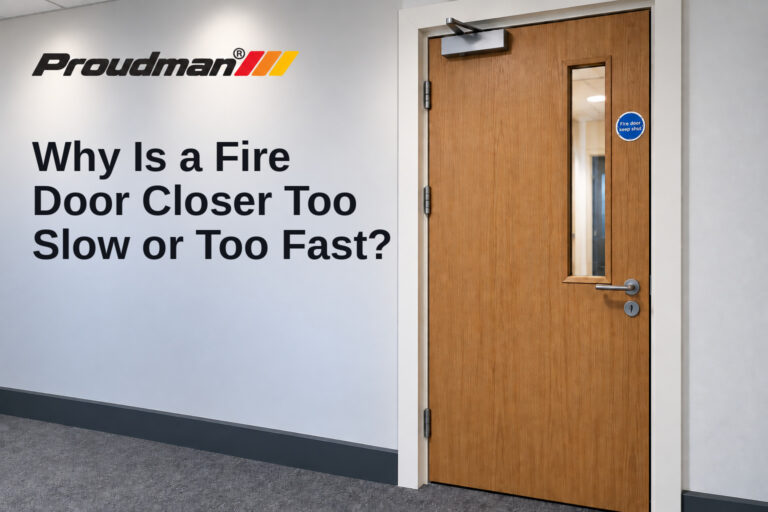
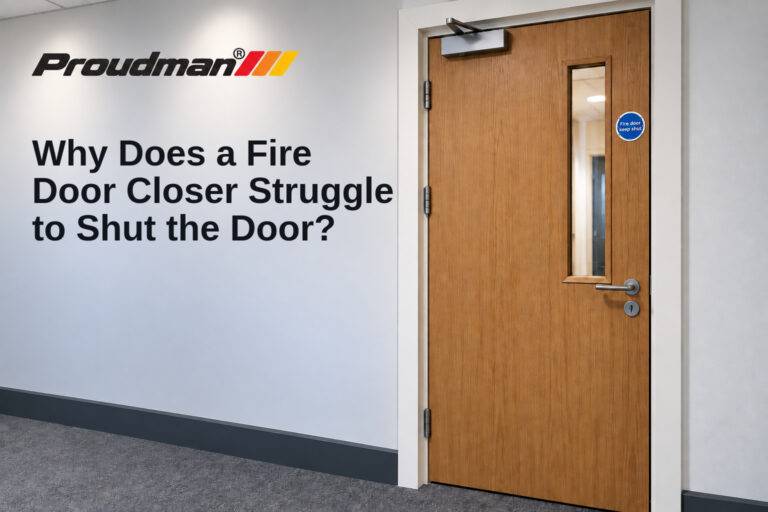
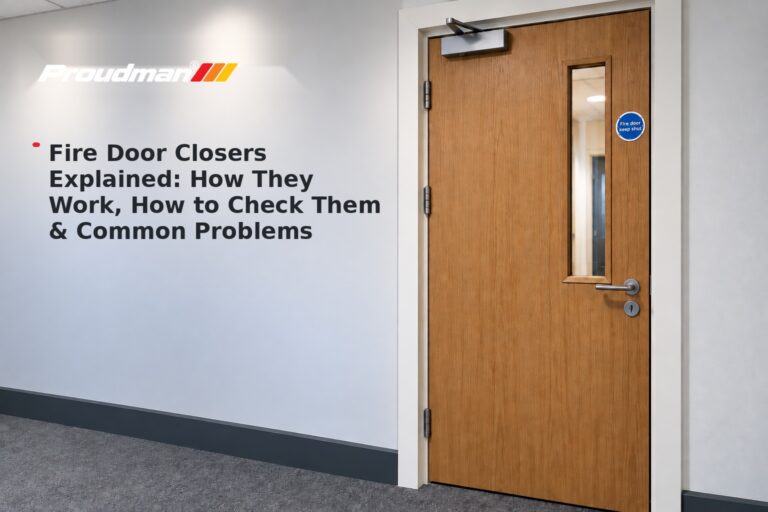
Fire Door Closers Explained: How They Work, How to Check Them & Common Problems
Published: September 25, 2026
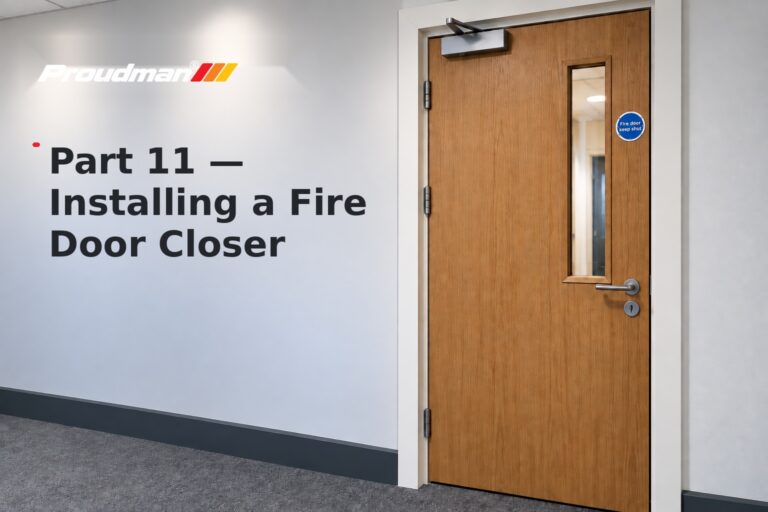
Fire Door Closer Fault Finding: Check the Whole Closing Cycle
A fire door closer must control the door through its closing cycle and allow it to reach the required closed and latched position. Problems may appear as a door that slams, stalls, fails to latch, drifts, leaks fluid or makes contact between the arm, shoe, frame or surrounding fittings. Increasing closing power is not always the right answer.
Observe the door from opening through closing and latching. Check for hinge or doorset resistance, obstructions, incorrect arm geometry, loose fixings and changes made during other works. Compare the closer arrangement with its manufacturer’s instructions before adjusting valves or changing settings, and record what was tested and what changed.
For a structured diagnosis, see fire door fault finding, our installation guidance and the inspection and maintenance information. Keep the door’s required self-closing function central to any remedial decision.
Door Closers: Practical Guidance and Fault Finding
A fire door closer must bring the door through its closing cycle so that it closes and latches as intended. If performance changes, diagnose the symptom before adjusting valves or increasing power. The closer may be affected by installation geometry, door resistance, seals, damage or the condition of the hardware itself.
Observe the full cycle
Record opening effort, sweep speed, latch action, rebound and any unusual noise. Note whether the fault occurs from every opening angle or only near the end of travel.
Inspect installation and surrounding parts
Look for loose fixings, a moving arm or shoe, signs of oil leakage, interference with architrave or the frame, and damage to the closer body. Check whether the door is rubbing or meeting excessive resistance elsewhere.
Adjust only to the manufacturer’s instructions
Closer settings and adjustment limits vary by model. Do not turn valves indiscriminately or use extra power to mask binding, poor alignment or excessive seal resistance. If leakage, damaged components or insecure fixings are found, refer for competent repair or replacement.
Confirm the outcome
After authorised work, test the door through the required closing cycle and confirm that it latches reliably. Record the result and any remaining defect.
Related Proudman guidance
Always confirm the applicable doorset documentation, manufacturer instructions and relevant requirements before altering a fire door. This guidance supports inspection and fault finding; it does not replace a competent assessment or an approved repair method.
Share this:
- Share on Facebook (Opens in new window) Facebook
- Share on X (Opens in new window) X
- Share on Bluesky (Opens in new window) Bluesky
- Share on Pinterest (Opens in new window) Pinterest
- Share on Reddit (Opens in new window) Reddit
- Share on LinkedIn (Opens in new window) LinkedIn
- Share on Telegram (Opens in new window) Telegram
- Share on Threads (Opens in new window) Threads